Source: Art Market Experts

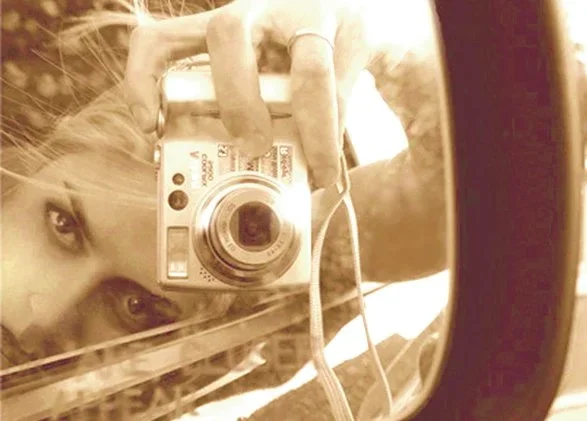
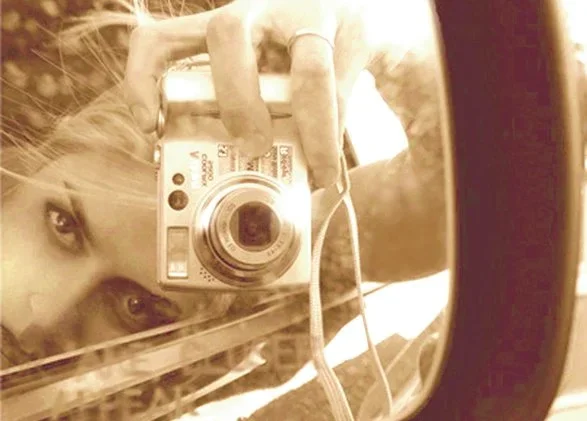
In a world increasingly marked by the convergence of different fields, Marija Tanaskovic Papadopoulos plays a pivotal role at the junction of age-old craftsmanship and cutting-edge technological progress. She was born in Belgrade in 1976 and received her formal education in sculpture at the University of Fine Arts, graduating in 2001. Her artistic output is a testament to both scholarly discipline and a strong commitment to conceptual evolution. After her move to Chicago in 2004, she has developed a rich and varied portfolio that resonates in international markets and critical discussions. Her path offers an intriguing case study for collectors and institutions looking for artists who not only excel in traditional forms but also engage meaningfully with the shifting landscape of digital and computational art.


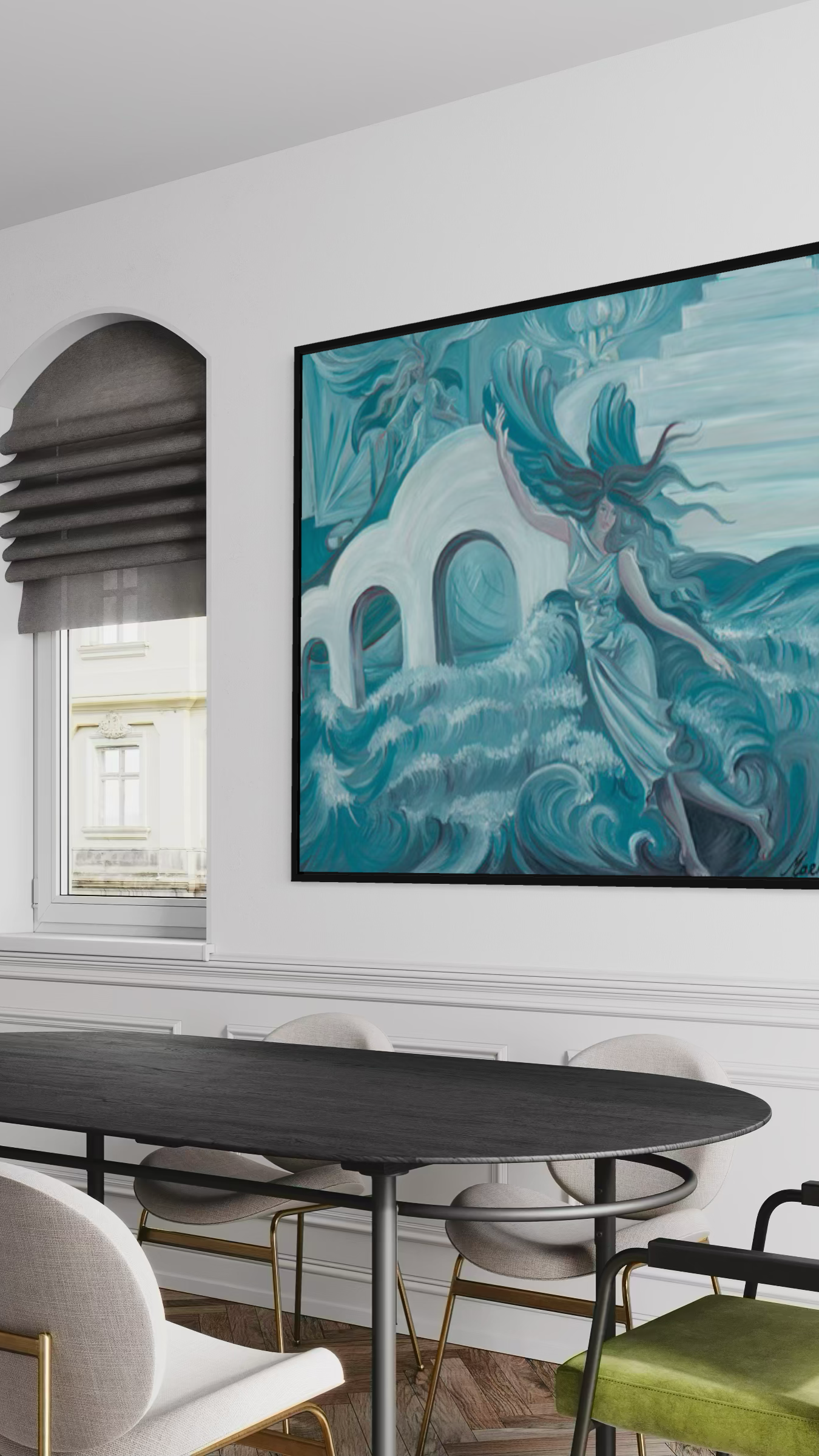
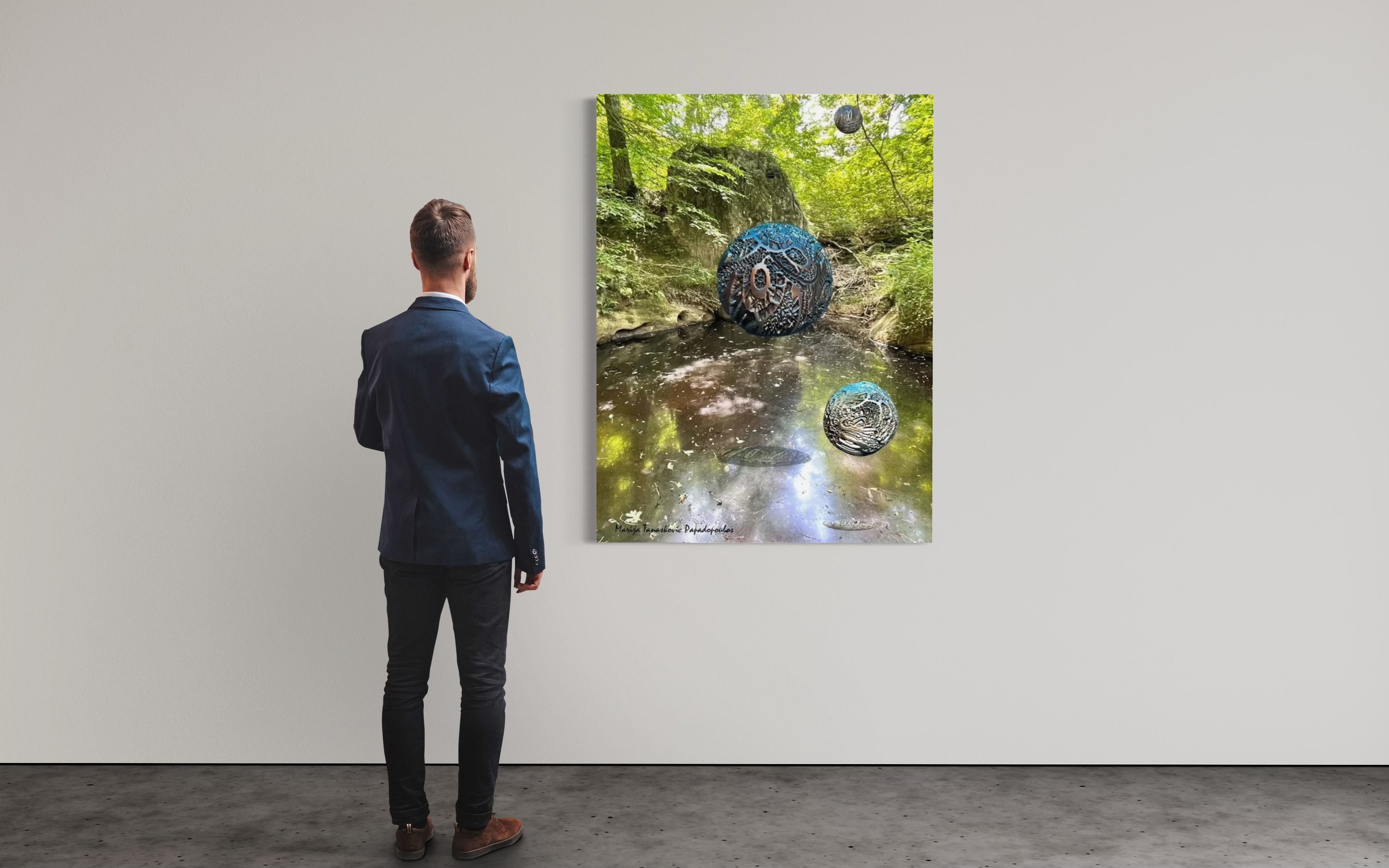
Tanaskovic Papadopoulos launched her professional journey firmly rooted in figurative expression, engaging with clay, oil on canvas, watercolor, drawing, and pastel. These initial creations showcase her mastery of form and composition, which is deeply embedded in her academic background. Instead of limiting herself to traditional media, she gradually embraced digital tools in her artistic practice. Currently, her body of work encompasses both tangible and virtual realms, utilizing Adobe Creative Suite alongside sophisticated 3D sculpting software. This evolution mirrors a wider trend in the contemporary art scene, where artists adept at both analog and digital techniques are increasingly appreciated. Her art illustrates how the ability to adapt technically can enhance foundational artistic skills rather than diminish them.


At the heart of Tanaskovic Papadopoulos’s artistic approach lies a conceptual framework that regards visual art as a medium for energy transfer. She expresses, “Visual art is fundamentally about transmitting energy to others through the symbols and vibrations of lines, color wavelengths, and the shapes of artwork within its surrounding space.” This focus on vibration and resonance places her work within a tradition of artists who explore perceptual and metaphysical themes, while also resonating with modern discussions about the convergence of art and scientific inquiry. Her artworks are meticulously crafted, striving for what she refers to as “the highest level of quality in the simplicity of vibration.” This quest for balance is evident in the thoughtfully calibrated interactions between color, form, and spatial rhythm. The resulting pieces are designed to engage the viewer in a prolonged state of attention, transforming perception into an active, almost participatory experience. “The viewers of art pieces are the essential purpose of every creation,” she asserts, highlighting that meaning arises through engagement. In this perspective, the artwork functions not merely as a static entity but as a catalyst for cognitive and emotional change, where the concept embedded in the piece takes precedence over its physical manifestation.

In the last ten years, Tanaskovic Papadopoulos has received considerable acclaim from critics and curators throughout Europe, North America, Asia, and Latin America. Her participation in various publications, catalogues, and critical assessments has established her as part of a group of artists recognized as key figures in contemporary art. Additionally, she has been frequently mentioned in curated lists of prominent and investable artists, enhancing her presence in the secondary discourse that often influences collector behavior. Her visibility across both print and digital media, combined with exhibition participation and media attention, creates a complex and credible market profile. For collectors, this extensive documentation bolsters provenance stories and aids in long-term value assessments, especially in a market that is increasingly focused on both intellectual positioning and cross-platform visibility.
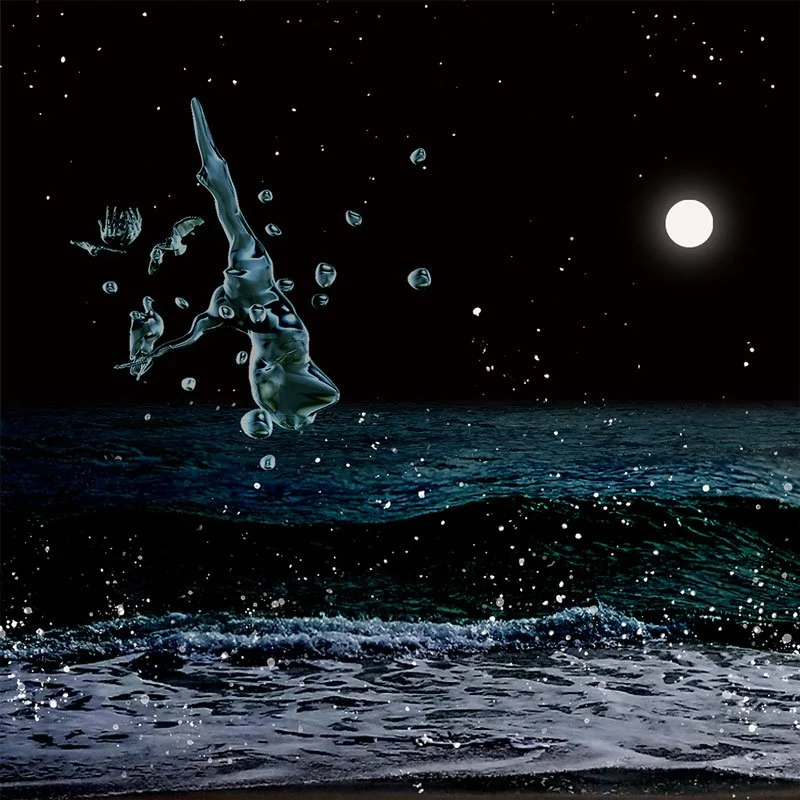
A key feature of her practice is how technology is viewed as a continuity rather than a disruption. The digital tools she employs serve as an extension of classical artistic concerns, linking historical techniques with modern production methods. She refers to her most refined compositions as a connection between contemporary technology and the traditional classical approach, creating a synthesis that appeals to a diverse collector base that includes both traditional and new media interests. Marija Tanaskovic Papadopoulos exemplifies a model of artistic growth that is both disciplined and adaptable. Her work addresses timeless questions of form, perception, and meaning while also embracing the opportunities presented by modern technology. In a market that increasingly prioritizes interdisciplinary fluency and conceptual clarity, her practice represents a significant and strategically relevant contribution to the changing landscape of contemporary art.