
• Story by Melissa Vera at msn.com
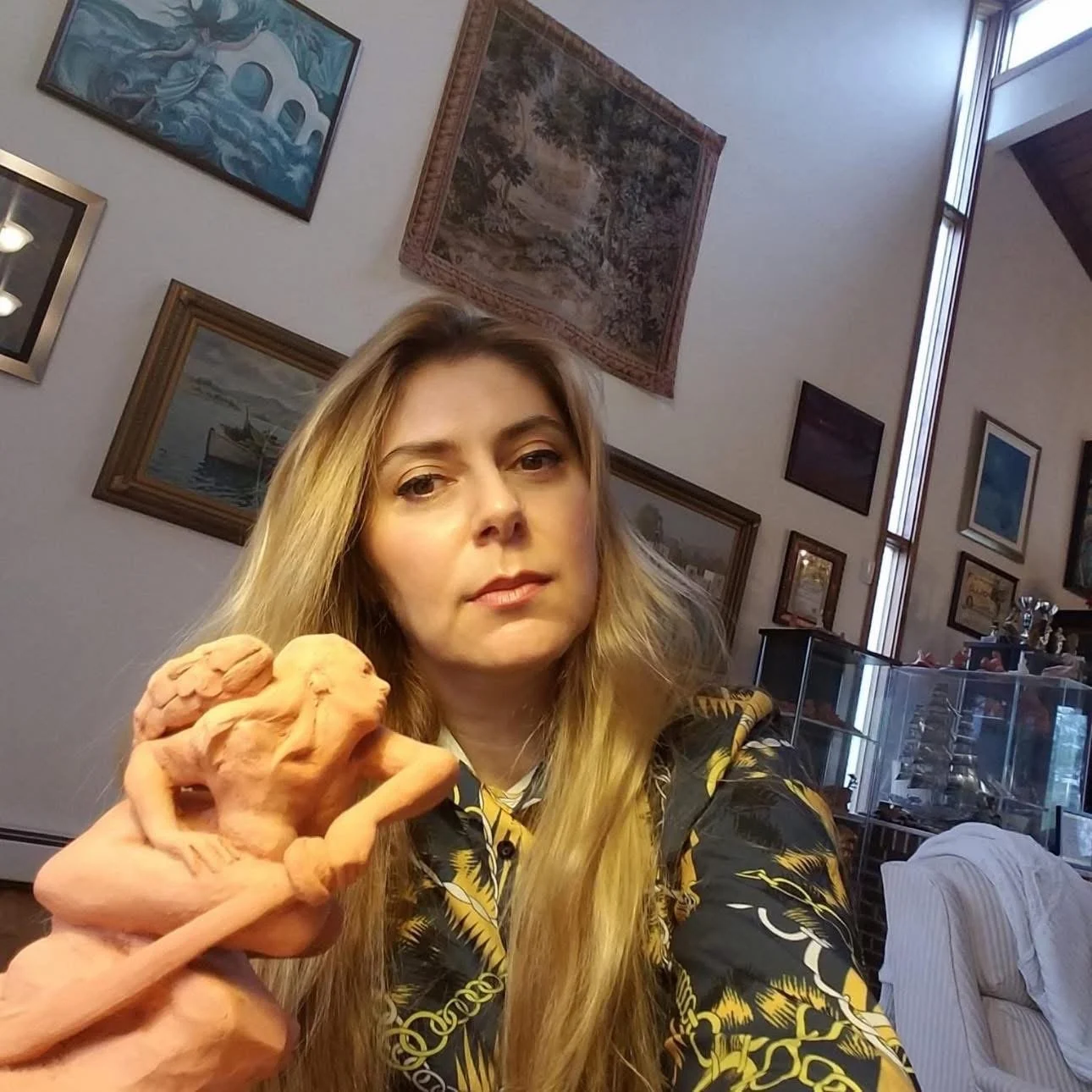
One of them is Marija Tanaskovic Papadopoulos
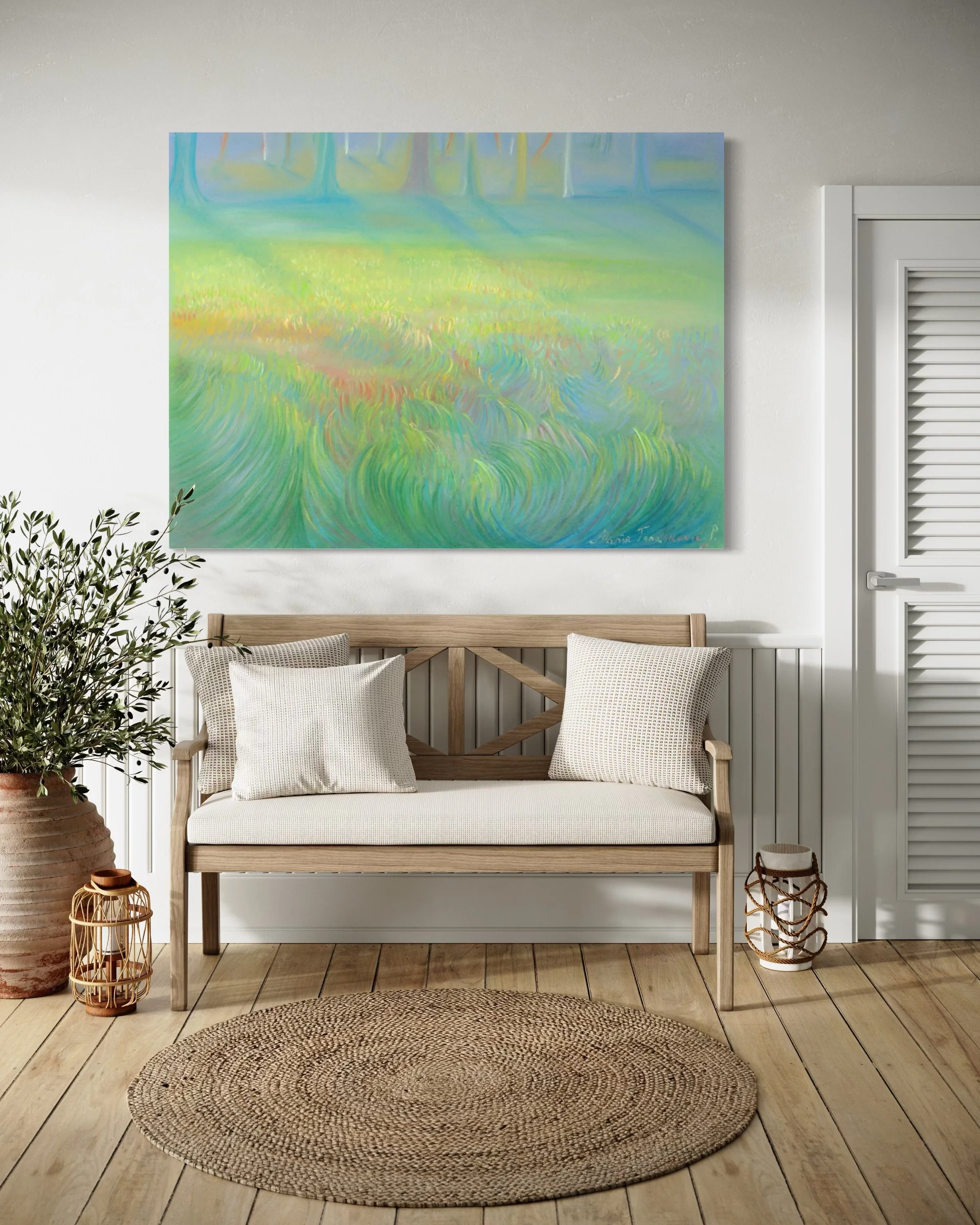
Art has always carried the power to shape emotion, memory, and human connection. A single image can influence thought and create a lasting impression that continues long after the viewer walks away. In recent years, more artists have started exploring the relationship between creativity and modern science. This growing conversation has opened new ways of understanding how visual experiences affect the human mind and emotional state.
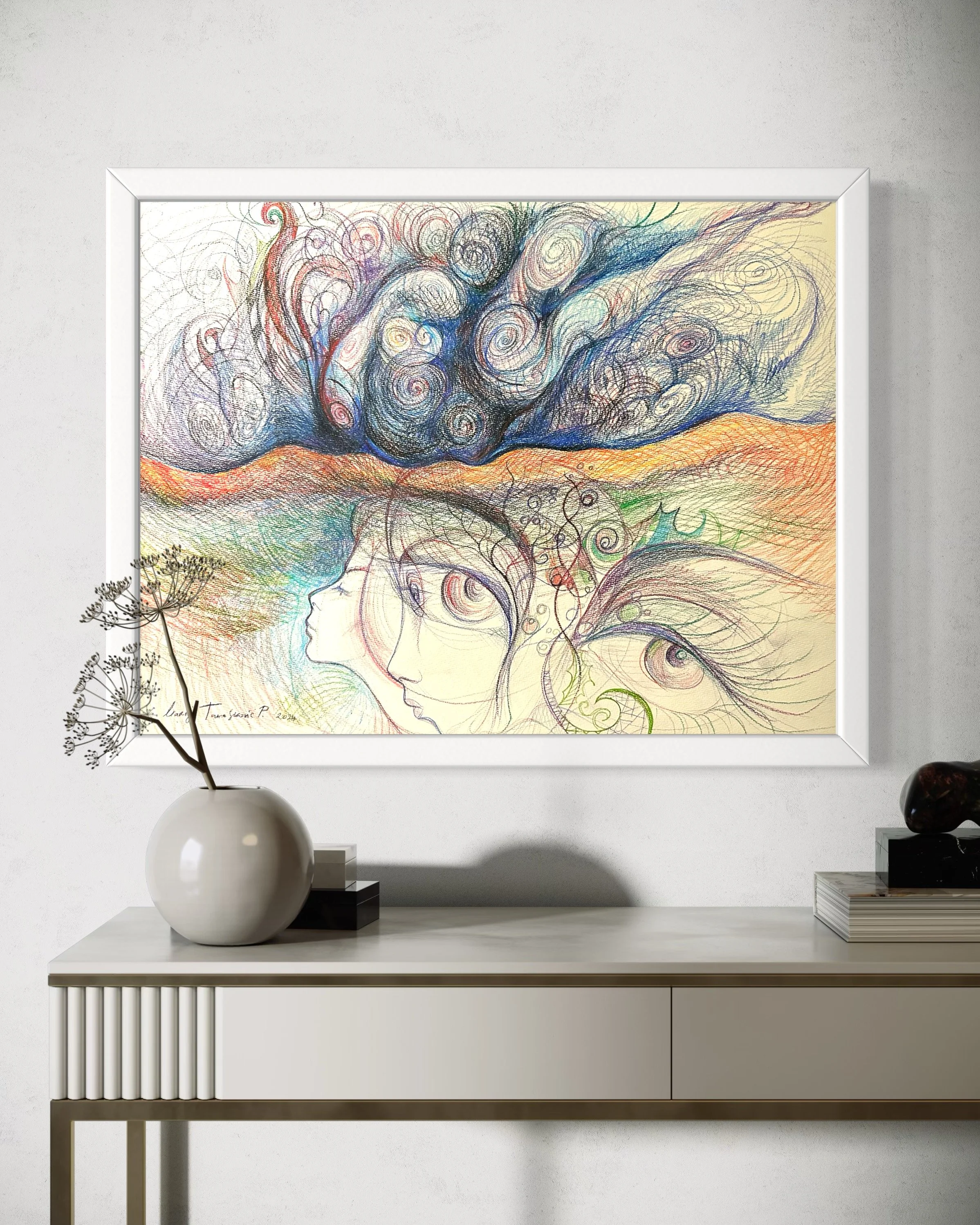
Professional Contemporary Multimedia Artist Marija Tanaskovic Papadopoulos has built her artistic philosophy around this idea. Her work focuses on the connection between visual art, energy, and human perception. Through shapes, colors, lines, and rhythm within composition, she explores how artworks can trigger emotional and mental responses inside the observer.
Her artistic statement began developing more than twenty years ago. Since then, her work has continued to evolve through research, experimentation, and reflection. Marija describes visual art as a process of passing energy through symbols, forms, and color vibrations. In her view, the structure of a composition creates harmony that people can feel under a not too deep level of their consciousness. They are not completely aware of what is inside the artwork that is engaging them in observation.
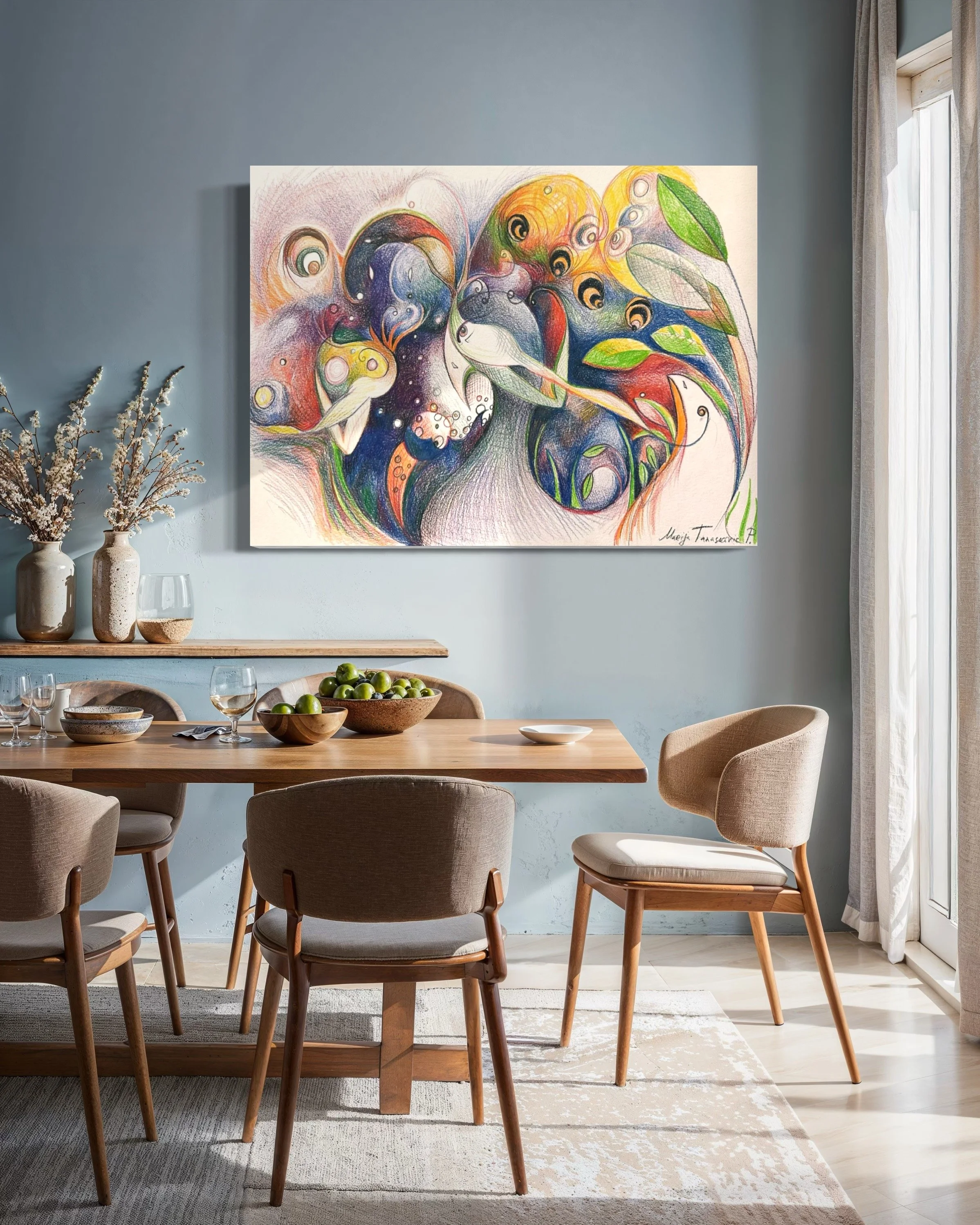
The bottom line is that her approach has intentionally connected her work with ideas found in psychology and quantum physics creating the symbiotic equilibrium between the two scientific fields, even if they are so different. By doing this she pushed the boundaries of our understanding of what the field of our mind actually is. Marija believes that exposure to certain visual frequencies and environments can influence human thought and emotional experience. Through her compositions, she searches for patterns and rhythms that create deeper engagement within the viewer’s mind. This engagement is inevitably creating changes in our reality, but in a very sophisticated way so that we cannot easily “catch it” or even measure it. However, that is still not impossible. These changes are perceived as almost invisible but that doesn’t mean they are inexistent, since we can observe them by our conciousness .
The subject of Conciousness was always the gravity of her work, as an artist. She was calling it a Constant, because it was stable and the only witness present during observation and creation. By Consciousness we conduct observation because it is the conciseness that gives us awareness. The artwork composition is, also, created by it but it's only a trigger, while the observer is the one who is there to complete the process of creation. The process of observation, focus, analysis and understanding new symbols is the key step in the process of completing the artwork creation from navigation to observation. This is where the role of the artist is changing from a sole creator to a navigator of human thoughts that has a certain amount of responsibility about what the audience is exposed to.
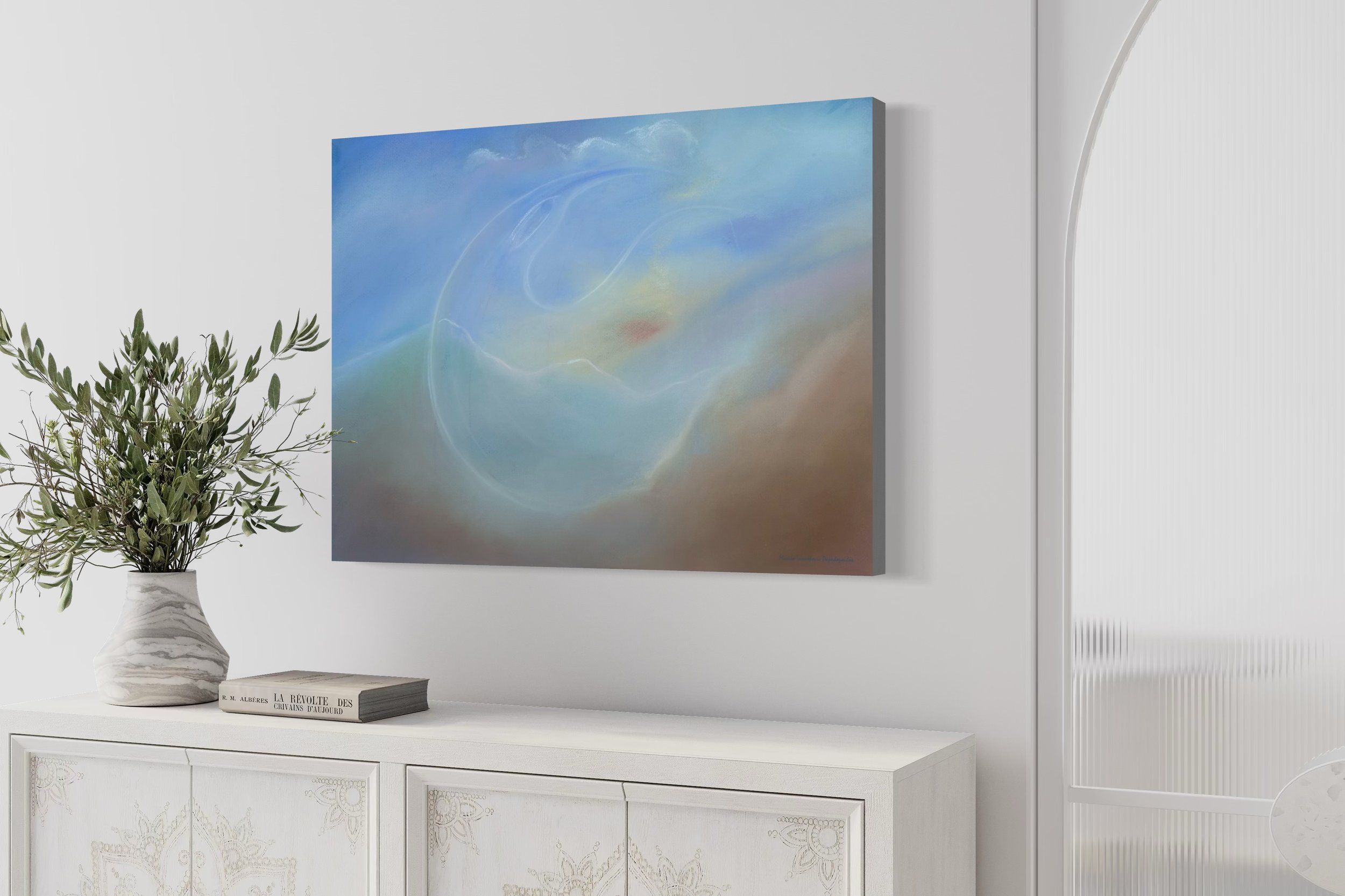
For more than twenty years this artist has stayed behind the idea of crucial importance of the art composition, because she is referring to it as a vibration for the audience. She was reminding us that science proved a long time ago that everything that exists regardless if we can see it or not, is an electromagnetic wave, therefore the observer has an active electromagnetic field of his mind, but only art composition can successfully control it by the process of observation and focus.
Quantum physics and psychology recently started placing the consciousness as gravity of their research. Quantum physics proved the existence of consciousness as separate from other surrounding vibrations. While Jung psychology is now used to define the strength of consciousness through the amount of information we can reveal from our collective unconsciousness, by using art as the evidence to it. The better the quality of art composition the deeper the consciousness of an artist was able to reach, to pick up and sublime the information from collective unconsciousness. Collective unconsciousness is full of disturbing images and messages that are really scary to an everyday person, this is why the human mind is developed to be shielded from it. However, only the best artists, by using sublimation and strength of their mind (consciousness), are able to find those messages and to make them the real beautiful art, which deeply communicates with their audience.
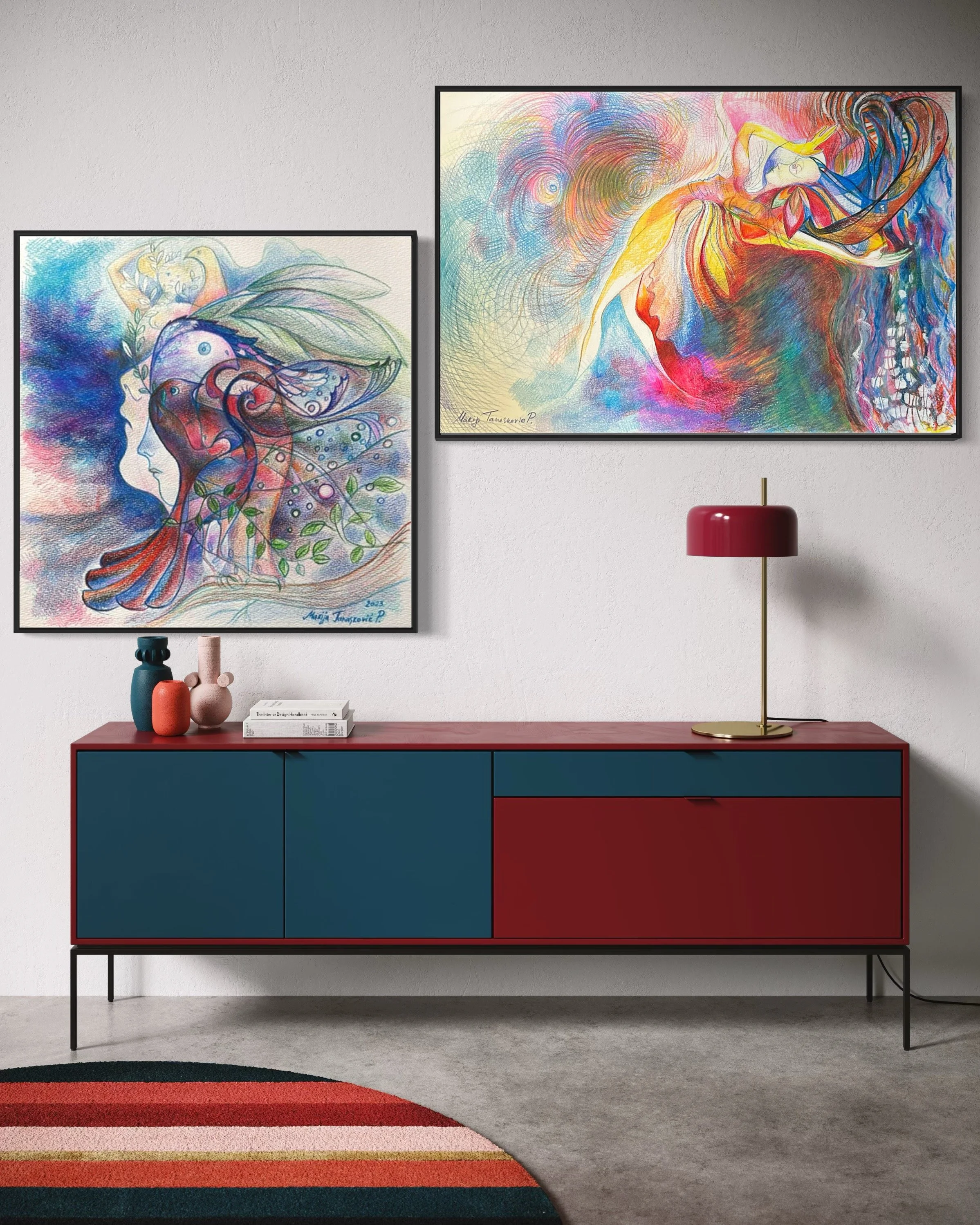
Over the years, Marija Tanaskovic Papadopoulos has earned international recognition through exhibitions, interviews, publications, and awards. Contemporary Art Curator Magazine, ITSLIQUID, Art Market Experts, Effeto Arte, Italia in Arte, Masters of Today, International Contemporary Masters, and many other art groups and outlets worldwide have featured her work. She was also honored by the Incheon Cultural Center as the first foreign invited artist in Korea’s history.
Through Maria Tana Designs and Art, she continues to present and sell her artwork while growing her art and science blog. Her future goals include deepening her research and sparking richer educational conversations about the link between art, consciousness, and human experience. To learn more, visit her official websiteand follow her on social media.
Other four Artists that also were selected for top 5 most creative on MSN.com fur 2026 are: Scott Dow, Ray Zovar, Matthias Lupri, Marietta Patricia Leis.